Ciencia y tecnología
CAHA – Observatorio Astronómico de Calar Alto
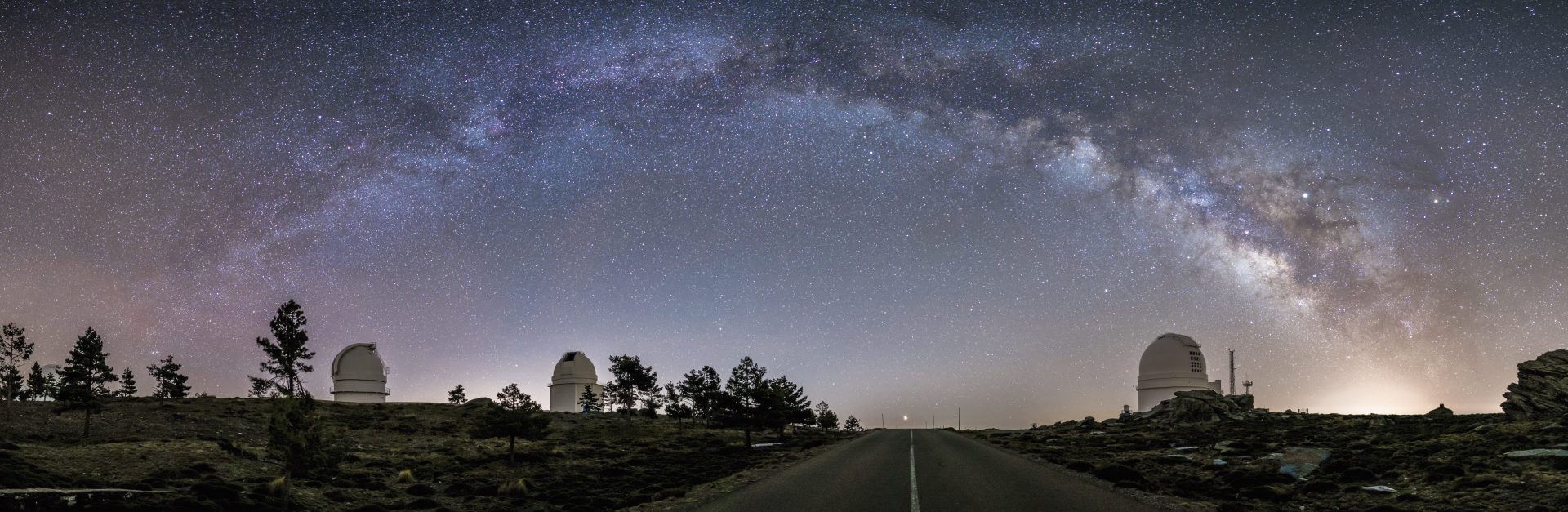
El mayor observatorio de Europa continental
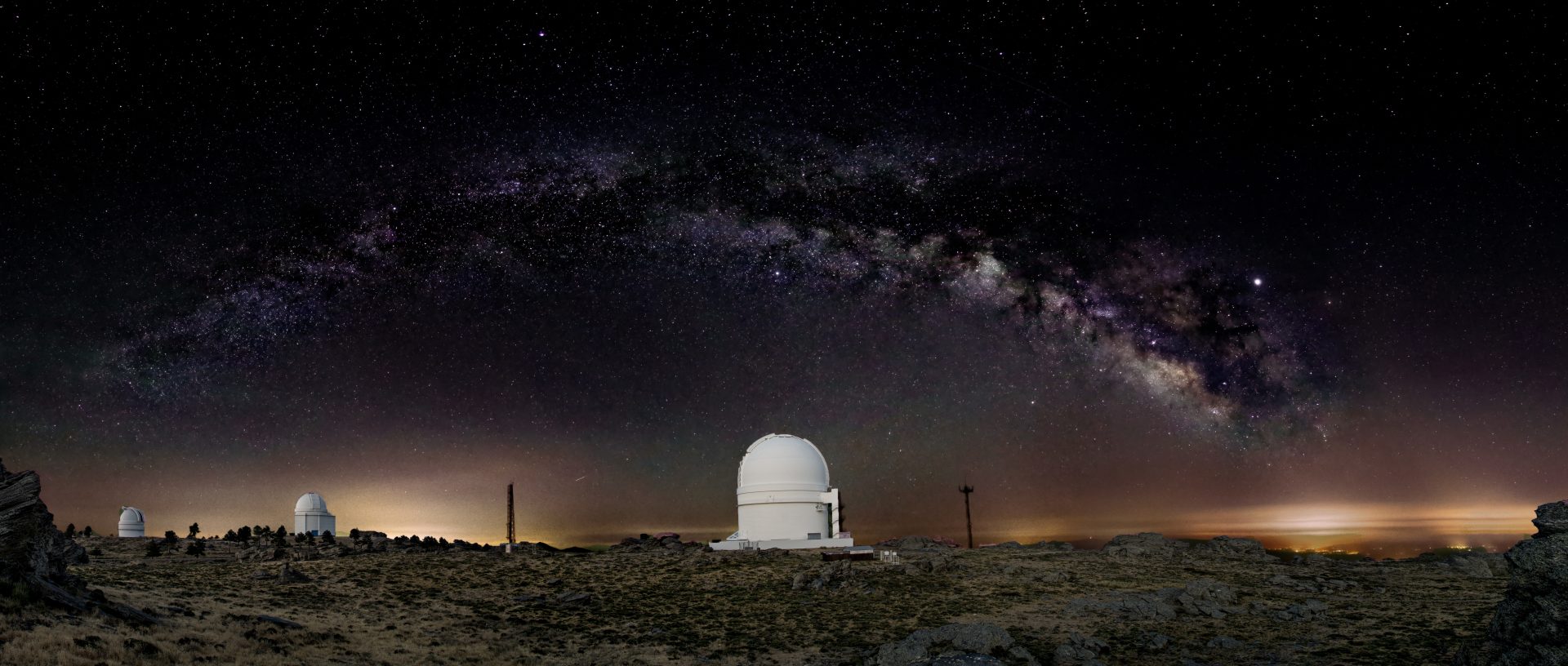
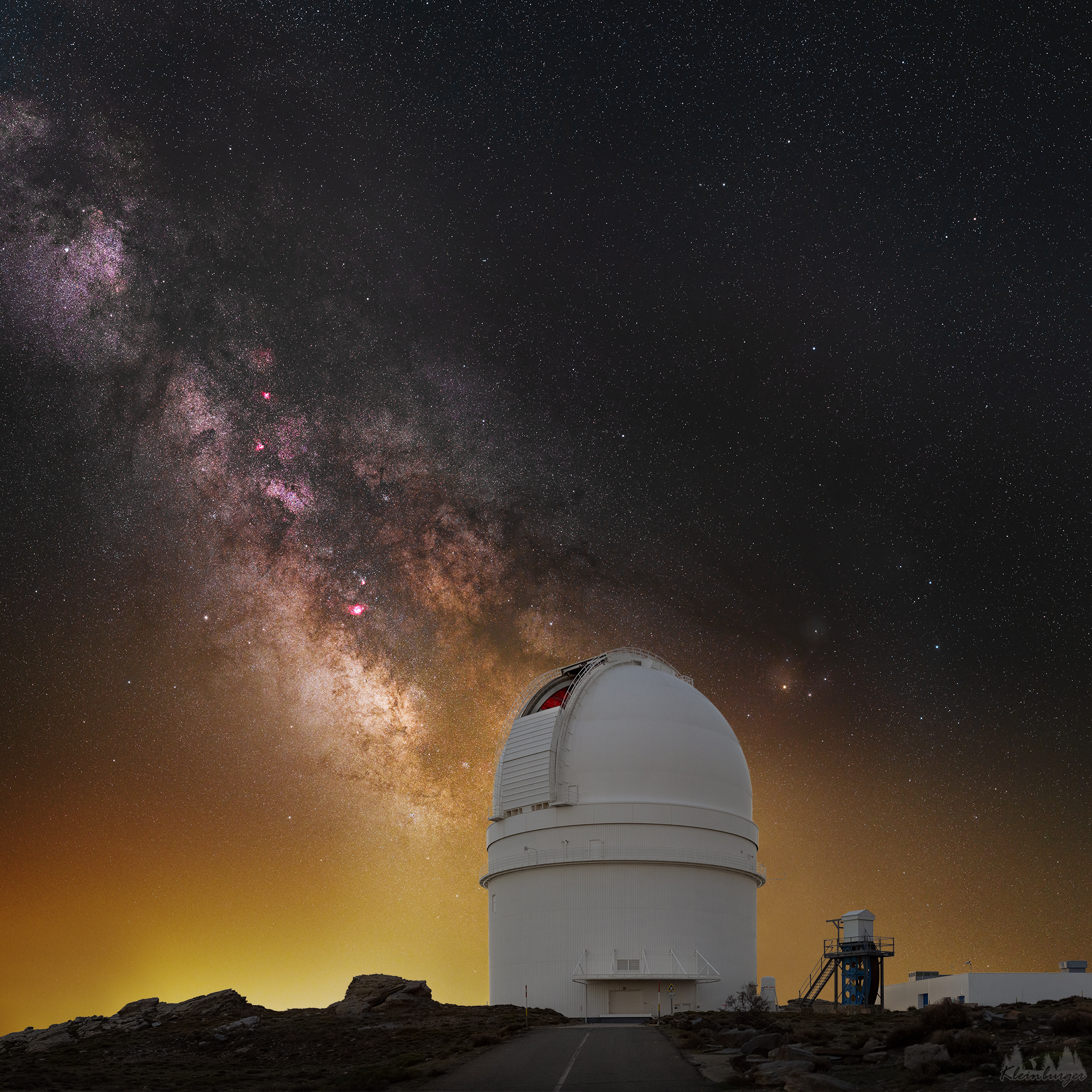
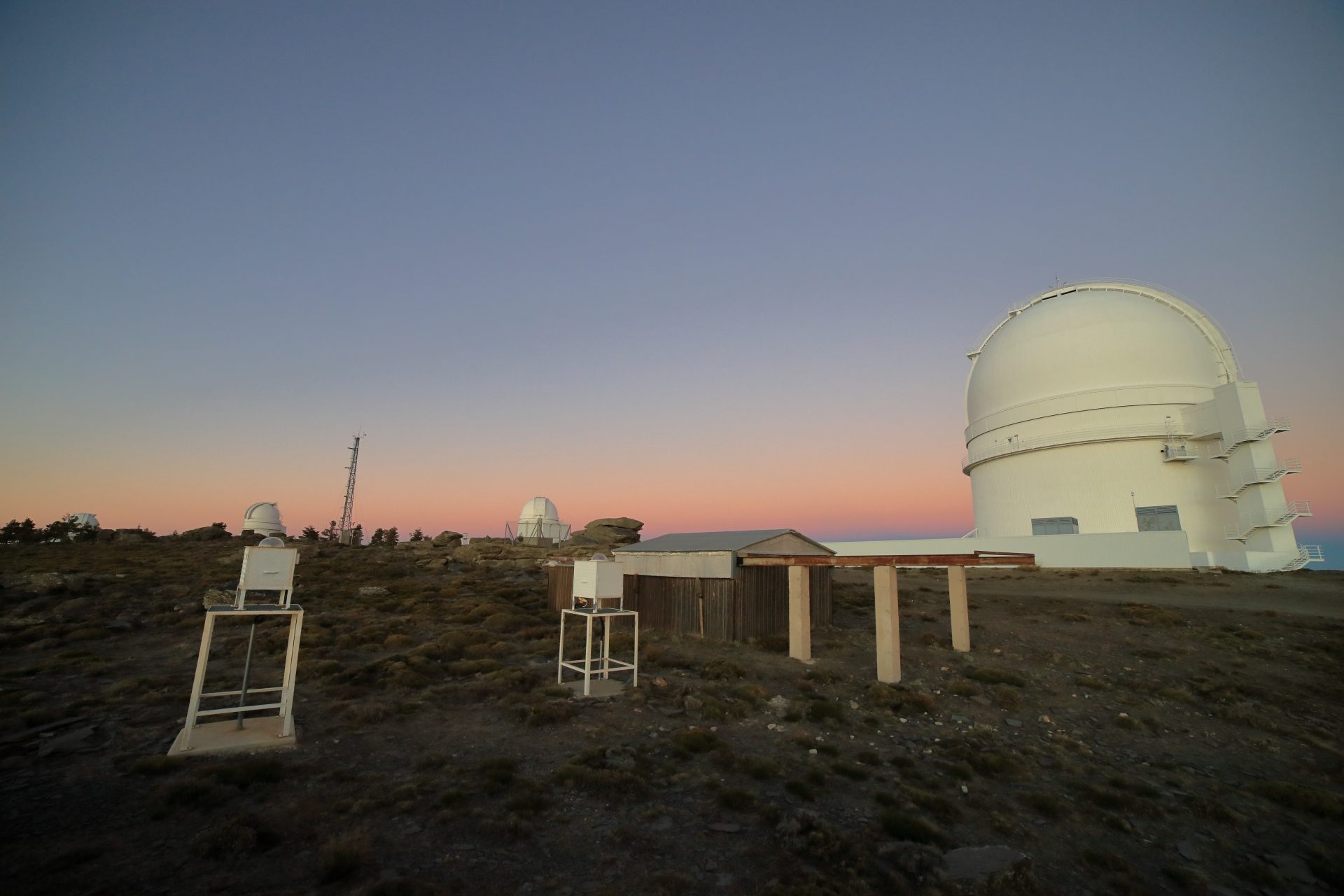
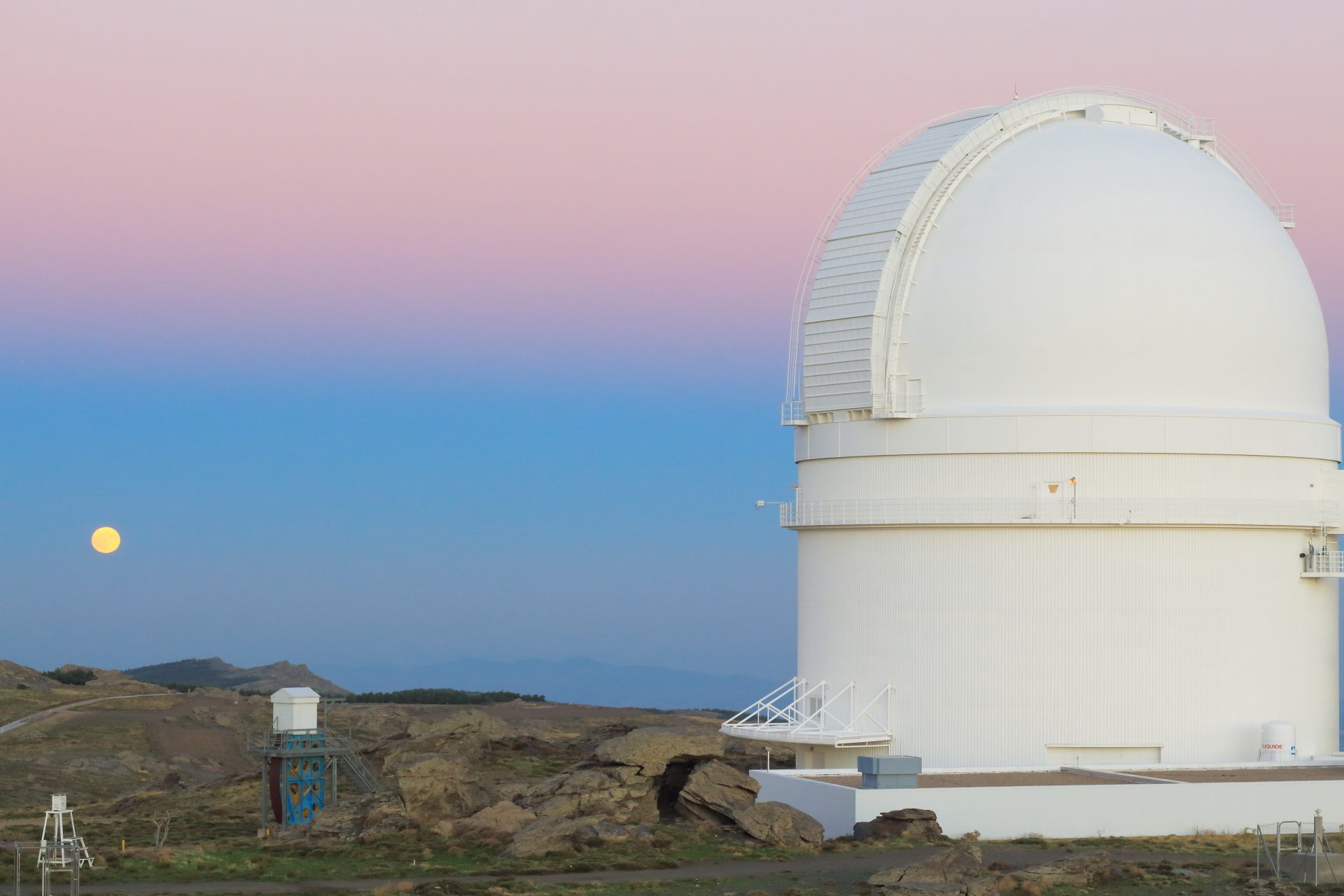
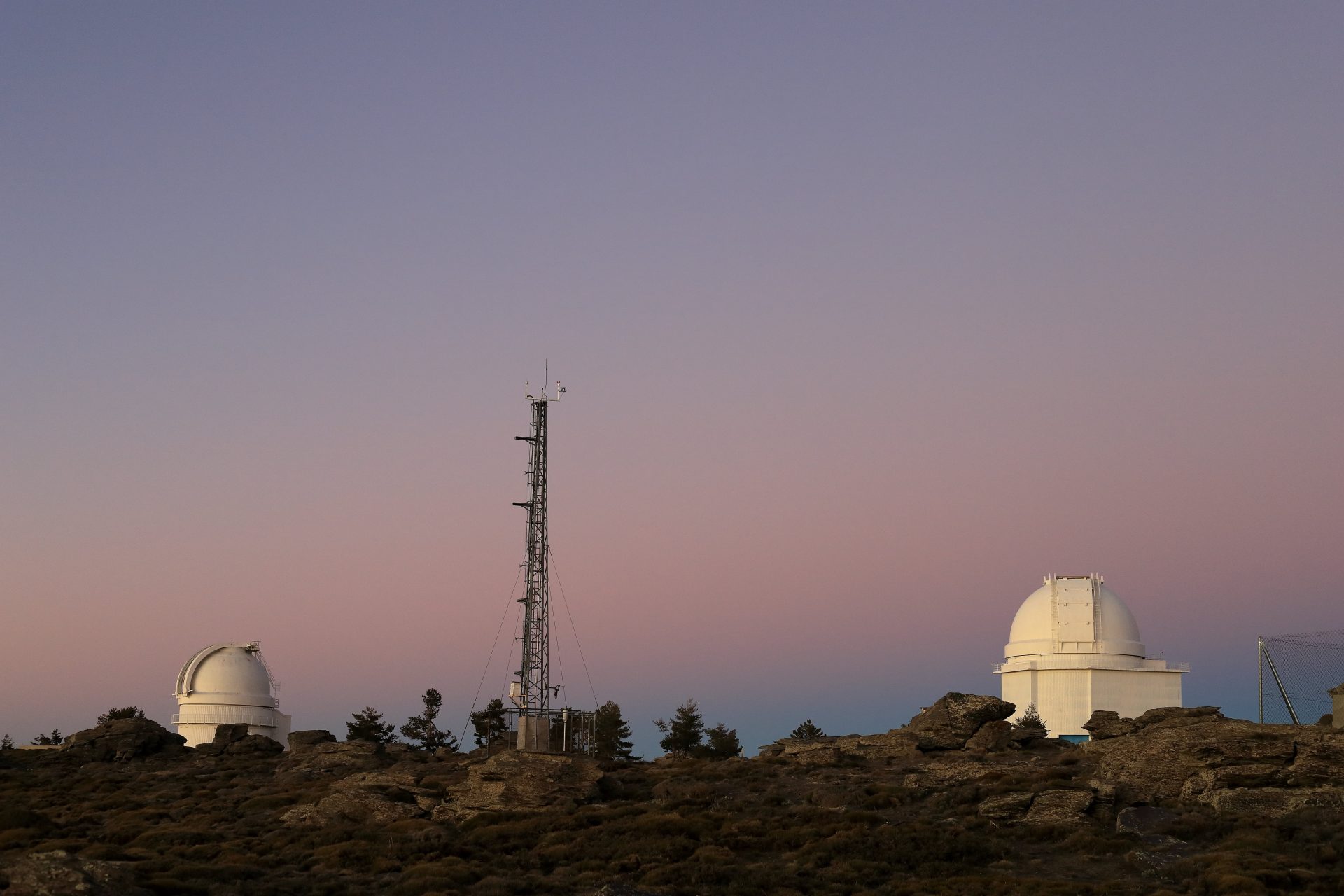
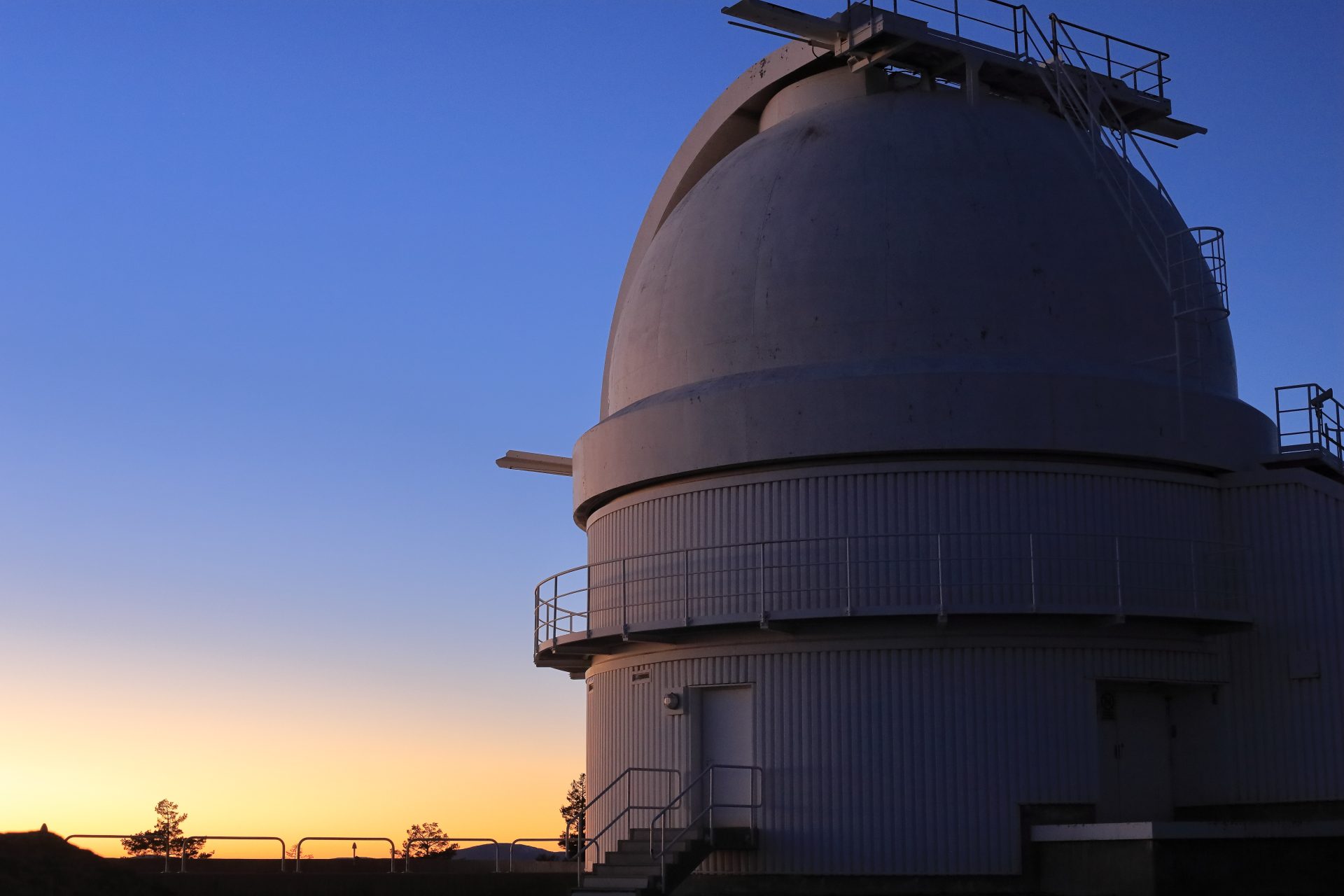
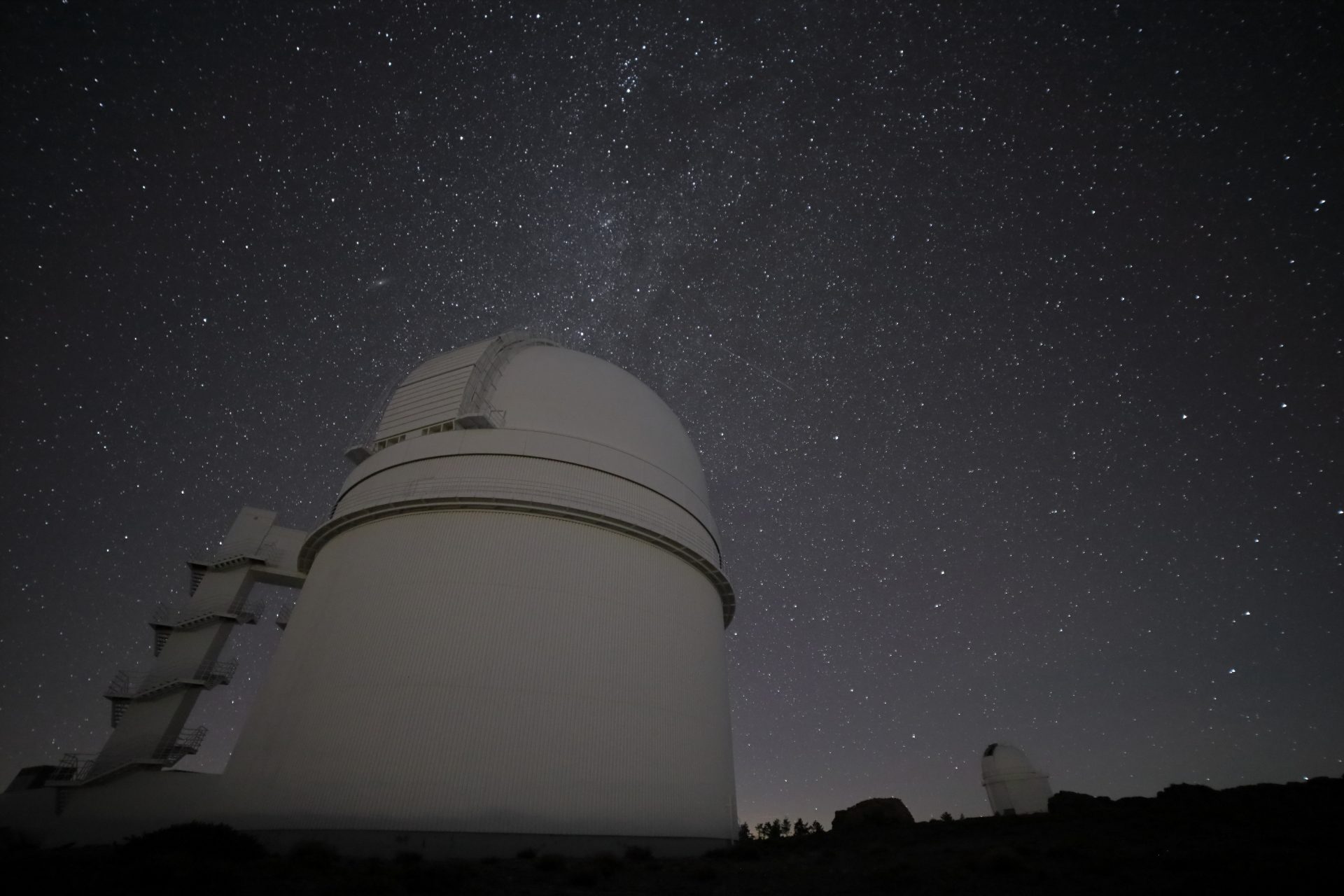
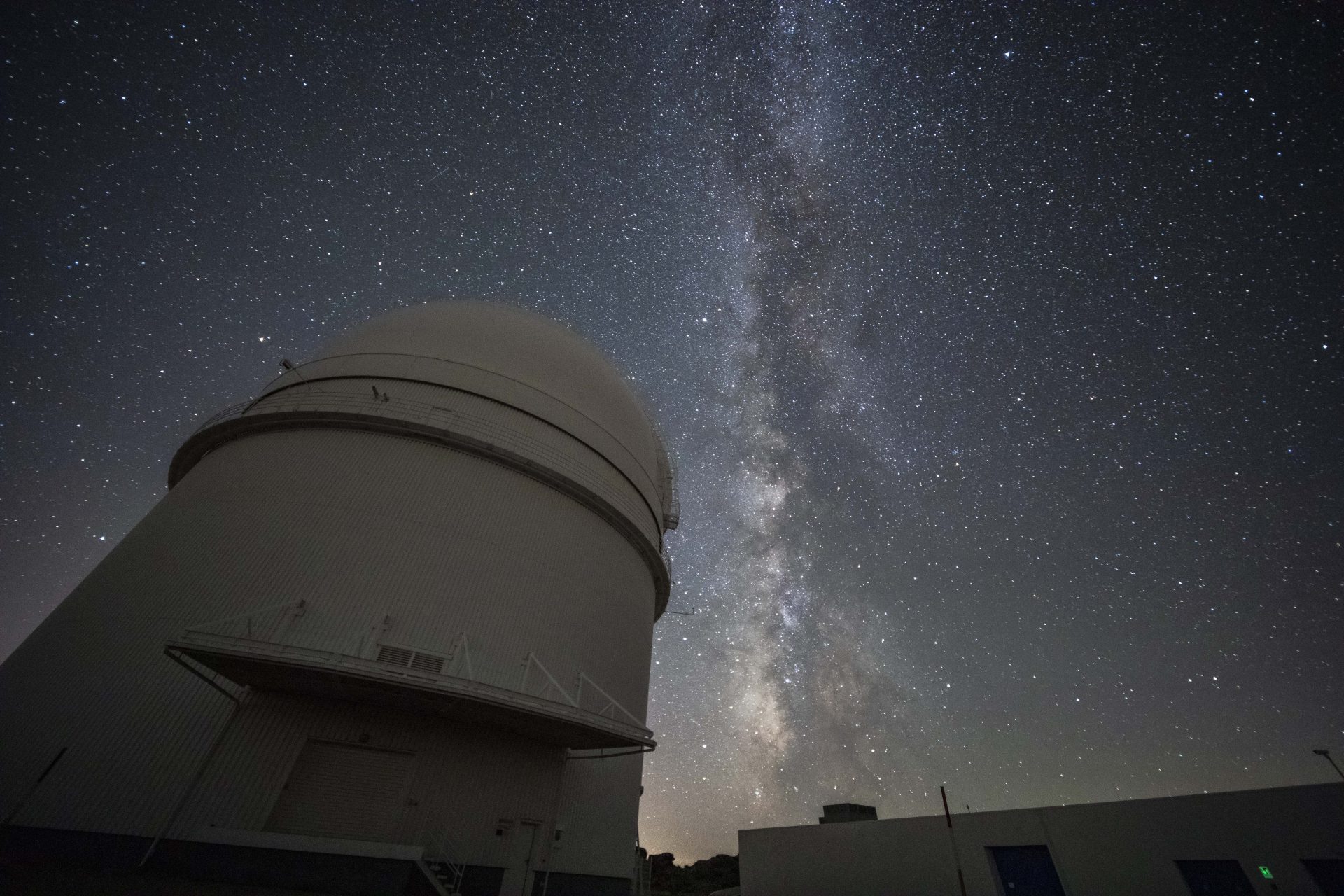
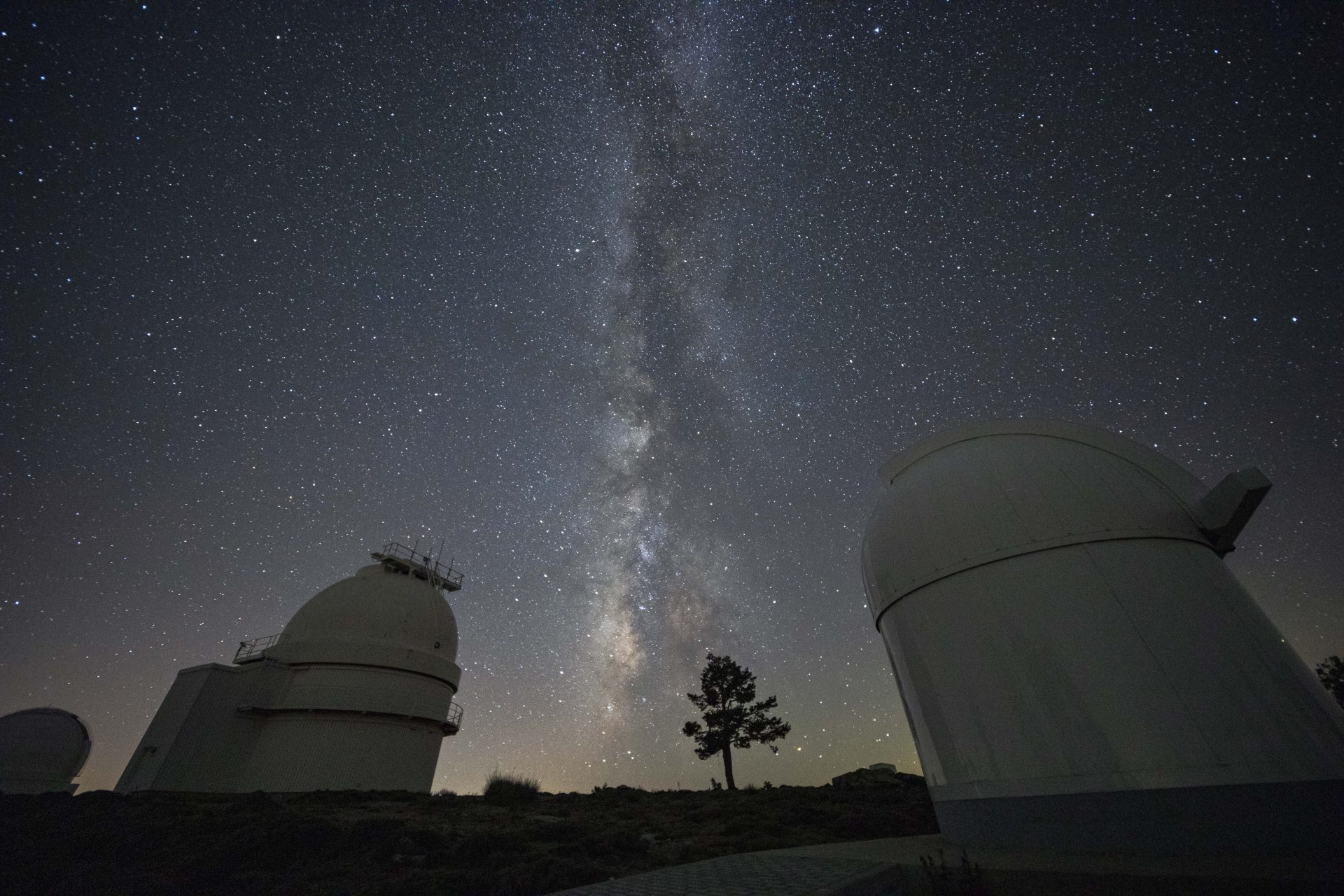
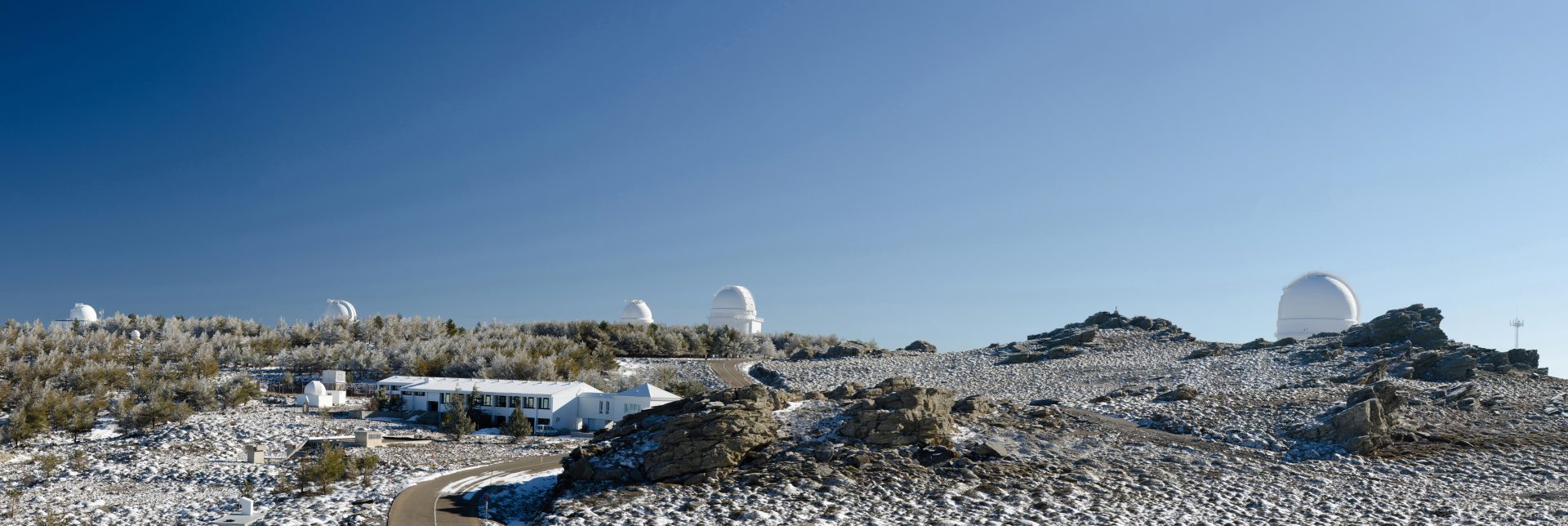
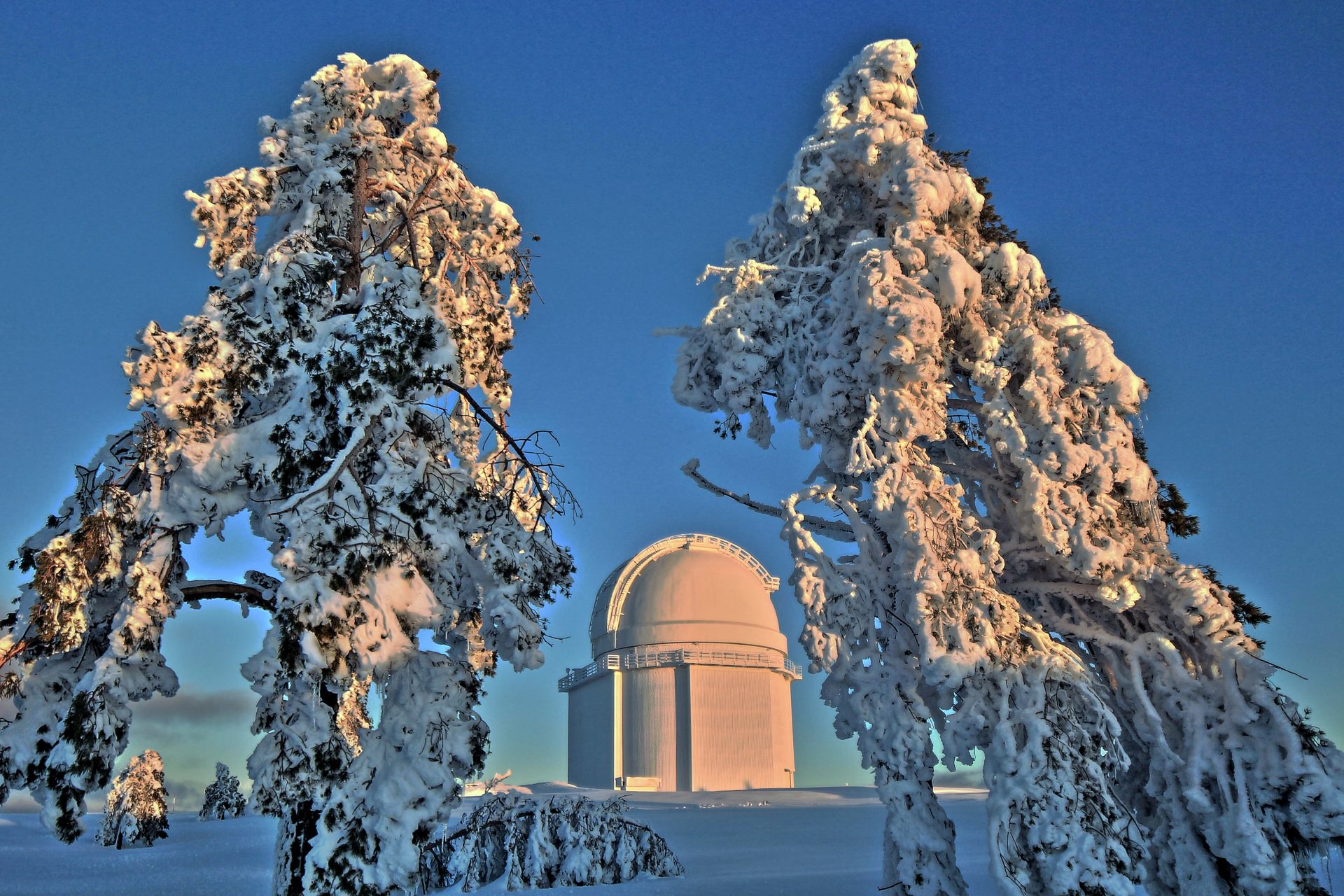
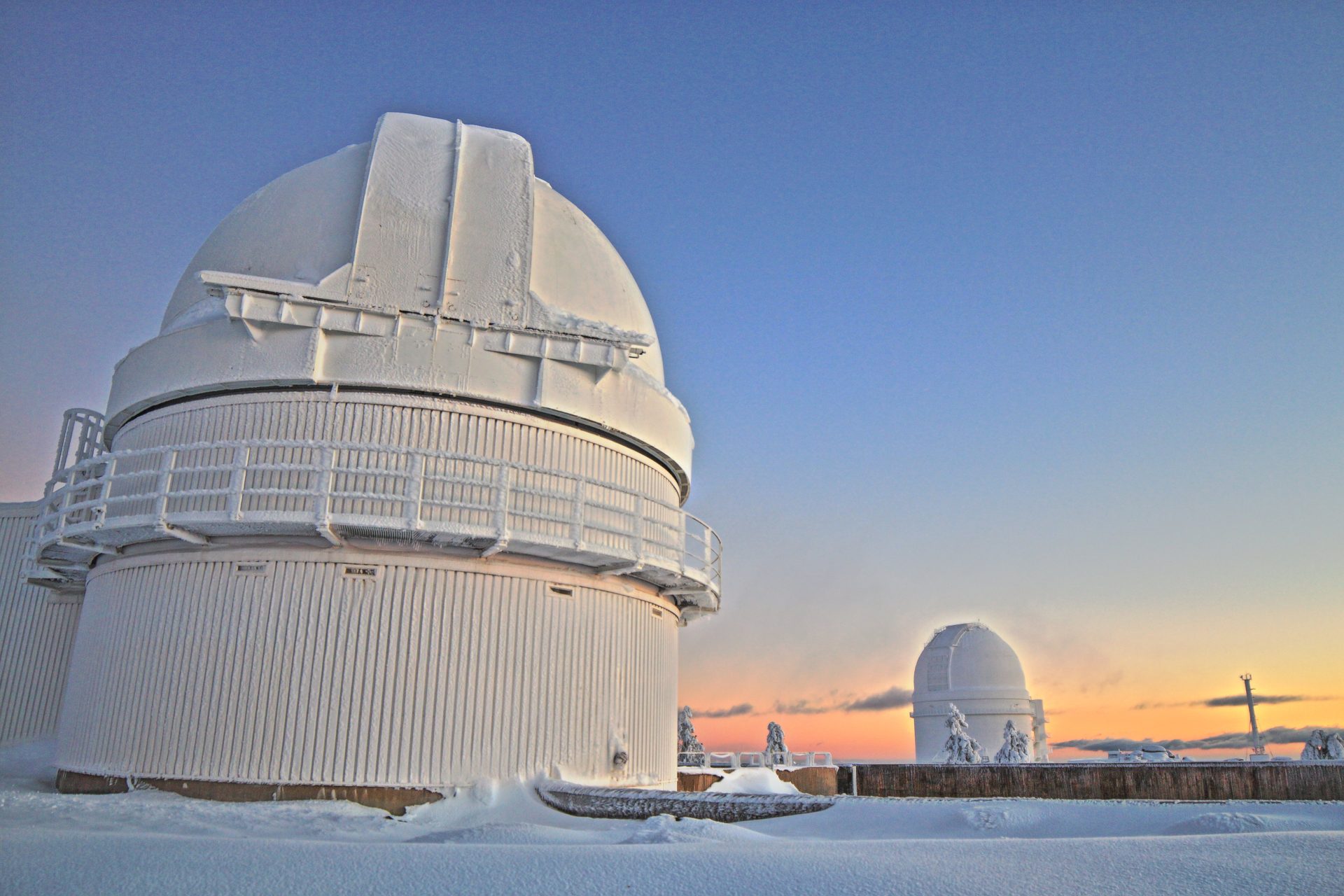
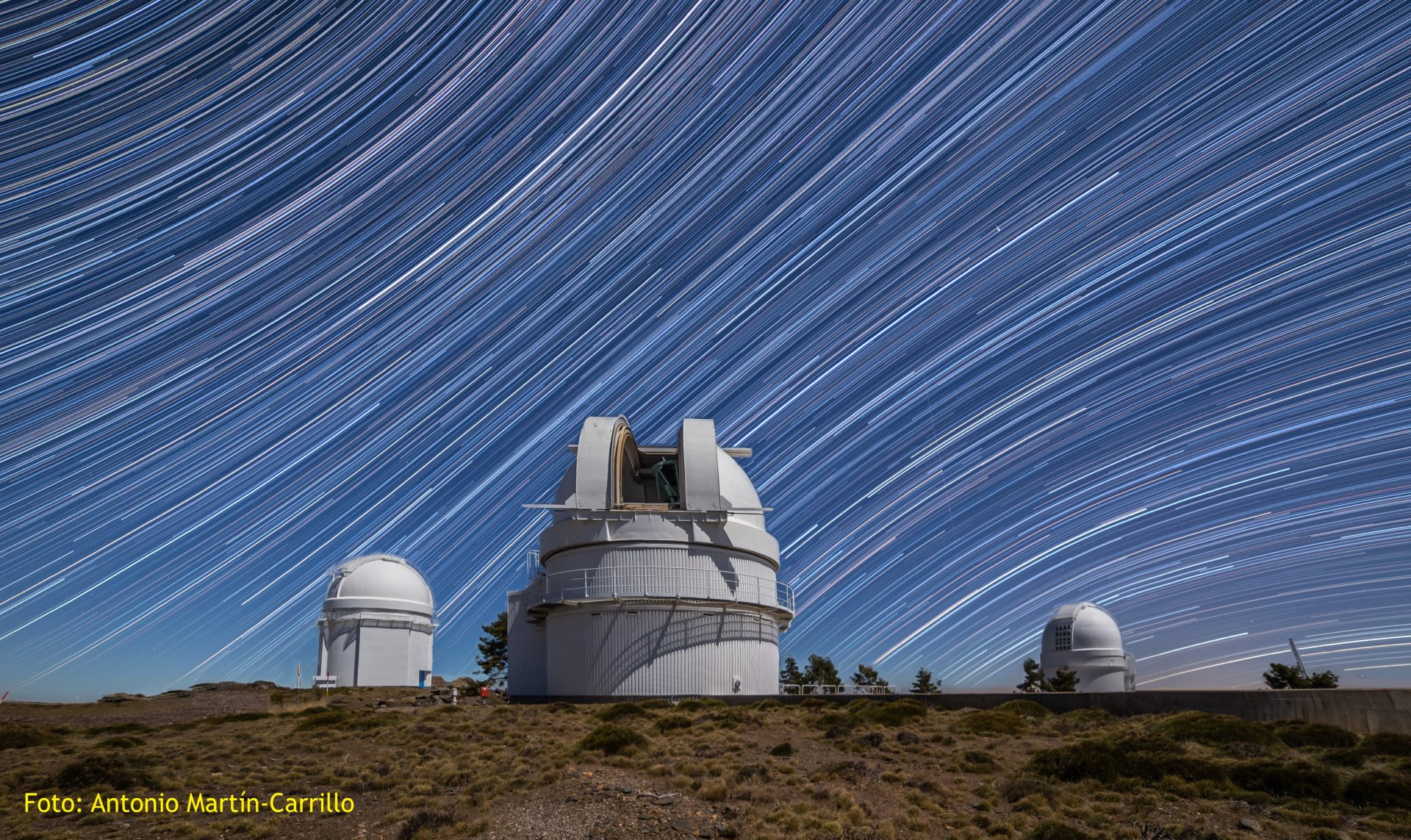
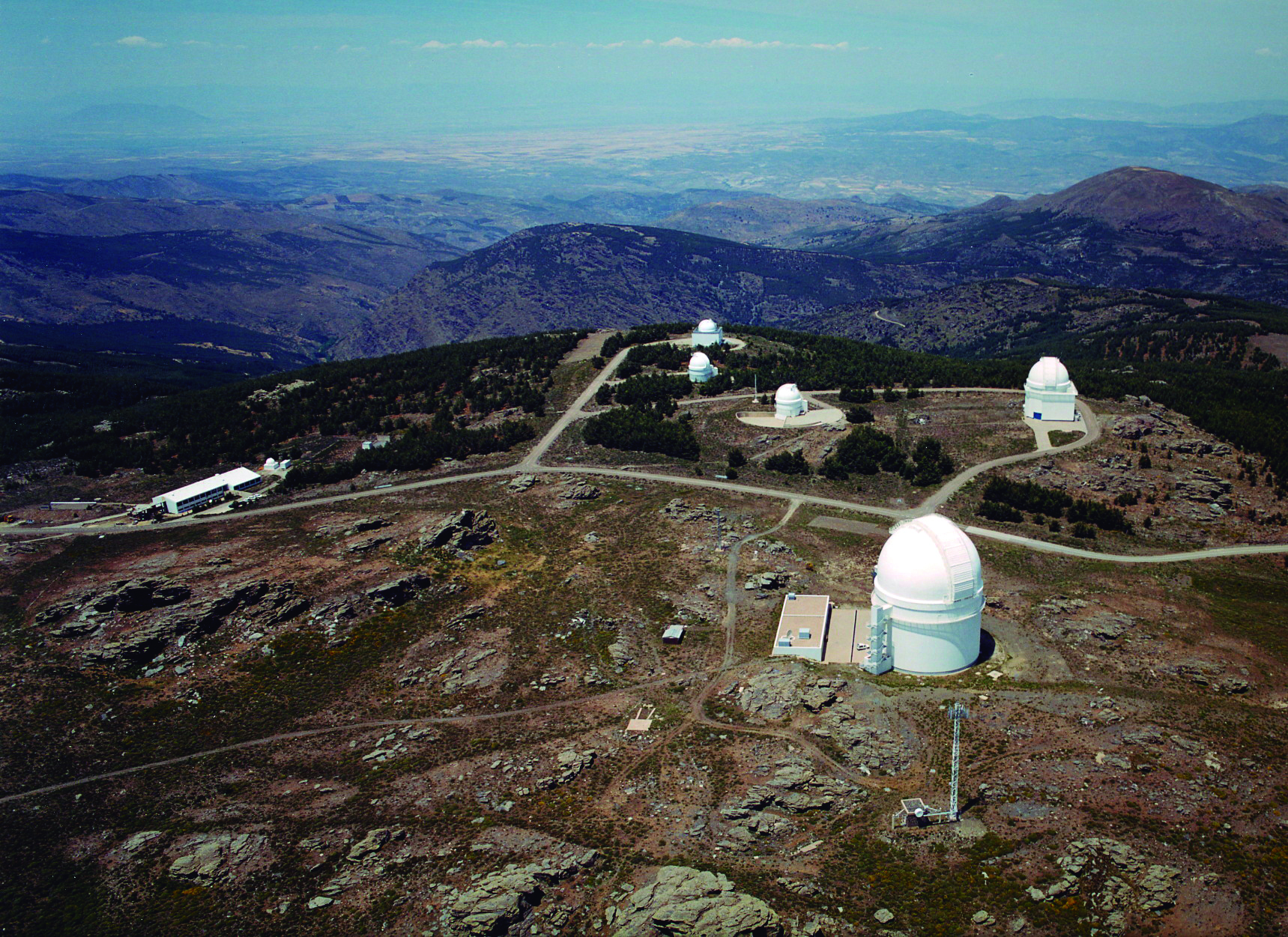
El Observatorio de Calar Alto está situado en la Sierra de Los Filabres (Almería). Hasta 2018 fue operado conjuntamente por el Instituto Max-Planck de Astronomía (MPIA-MPG), en Heidelberg (Alemania), y el Instituto de Astrofísica de Andalucía (IAA-CSIC) en Granada. En 2019 se incorpora al complejo científico la Junta de Andalucía, en sustitución del socio alemán, y el nombre oficial del observatorio pasa a ser el Centro Astronómico Hispano en Andalucía (CAHA).
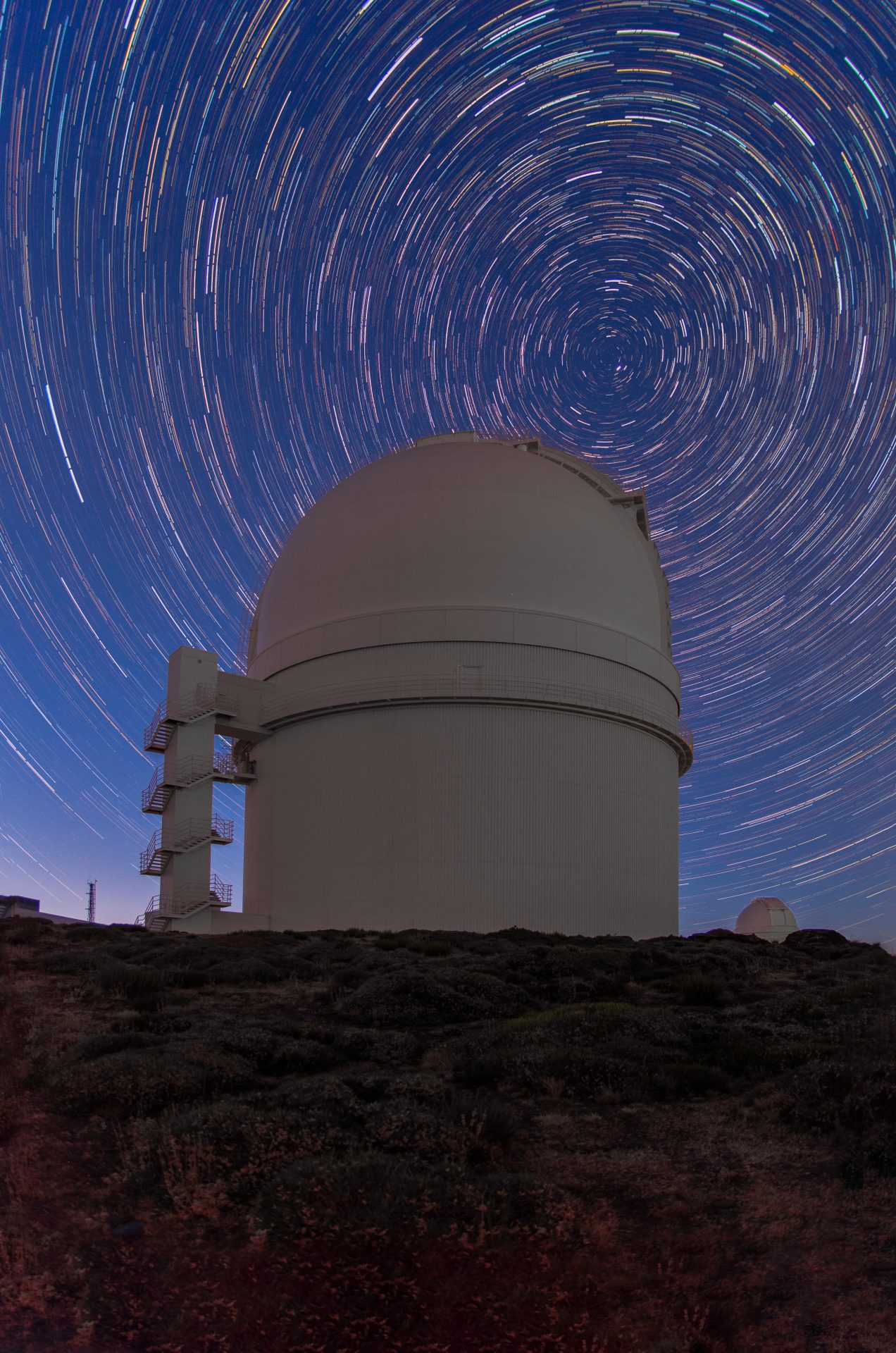
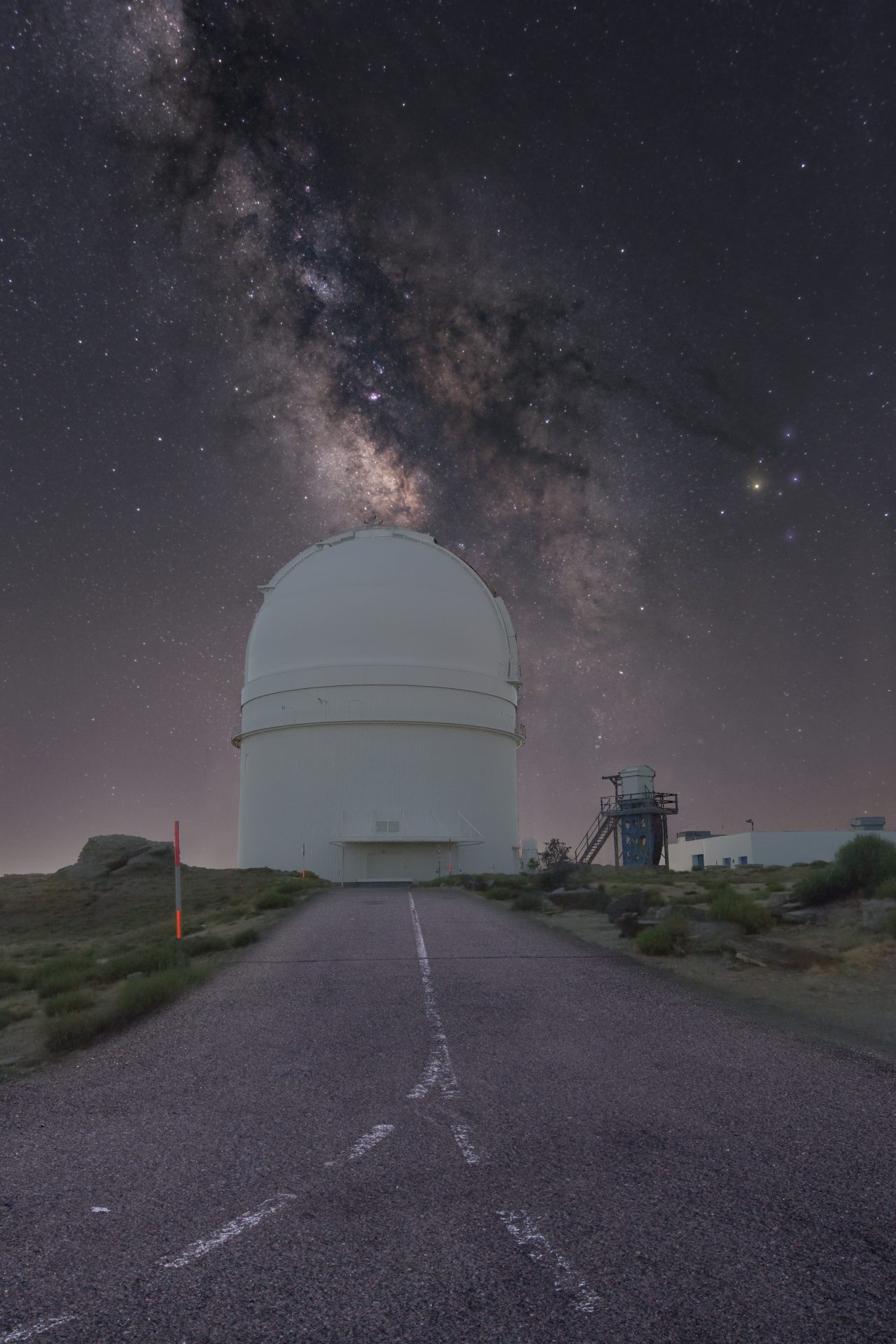
Calar Alto constituye la instalación astronómica más relevante en suelo continental europeo, y ha supuesto desde 1975 uno de los pilares del avance de la astronomía española y alemana. Se trata de una Infraestructura Científico Técnica Singular (ICTS) que cuenta con telescopios de 3.5 y de 2.2 metros de apertura (además, el observatorio alberga otros dos telescopios de 1.23 y 0,8 metros). La continua renovación de los instrumentos que se acoplan a los telescopios mantiene a Calar Alto en la vanguardia de la astronomía actual; la ingeniería, la ciencia y la empresa españolas participan también en estos desarrollos.
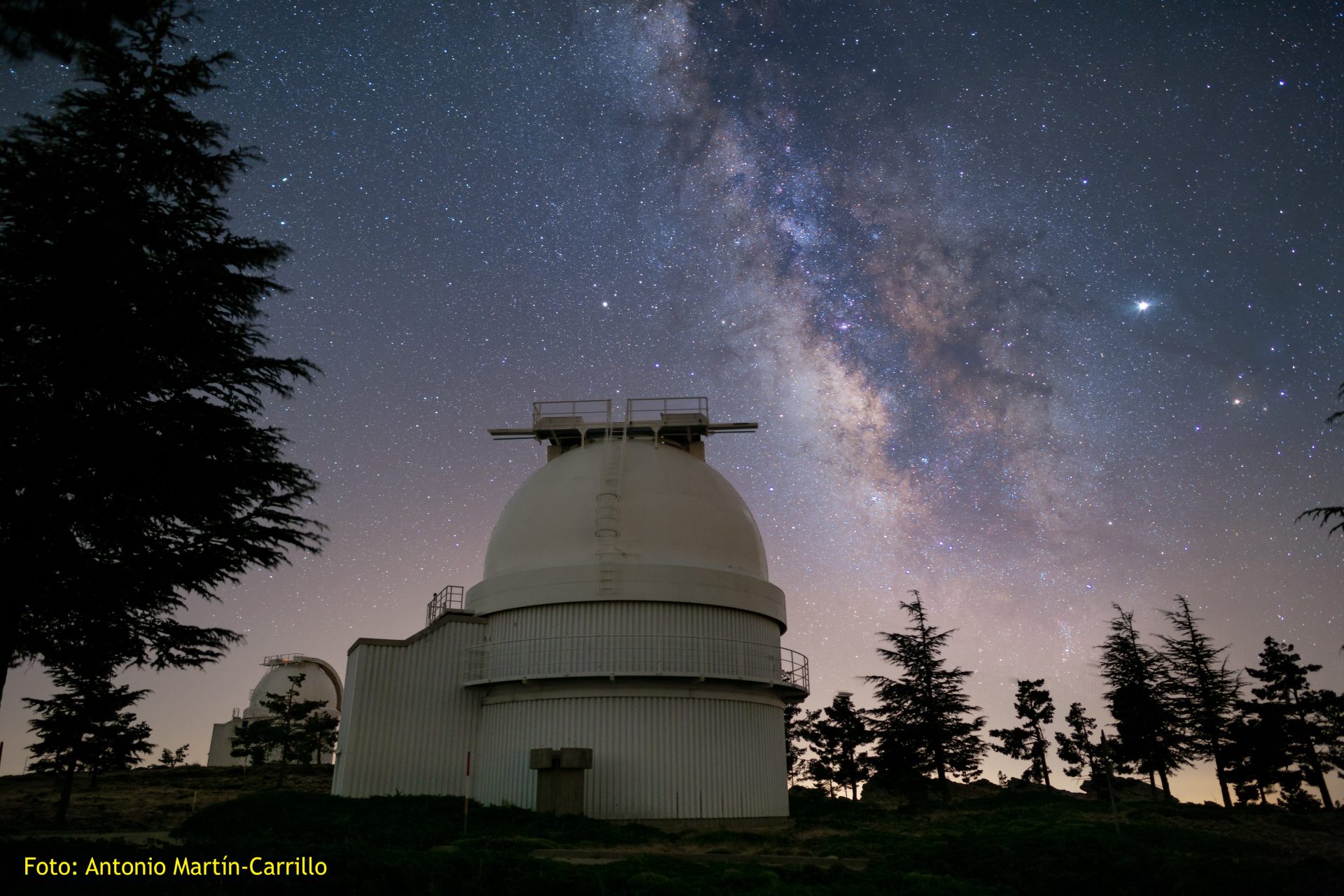
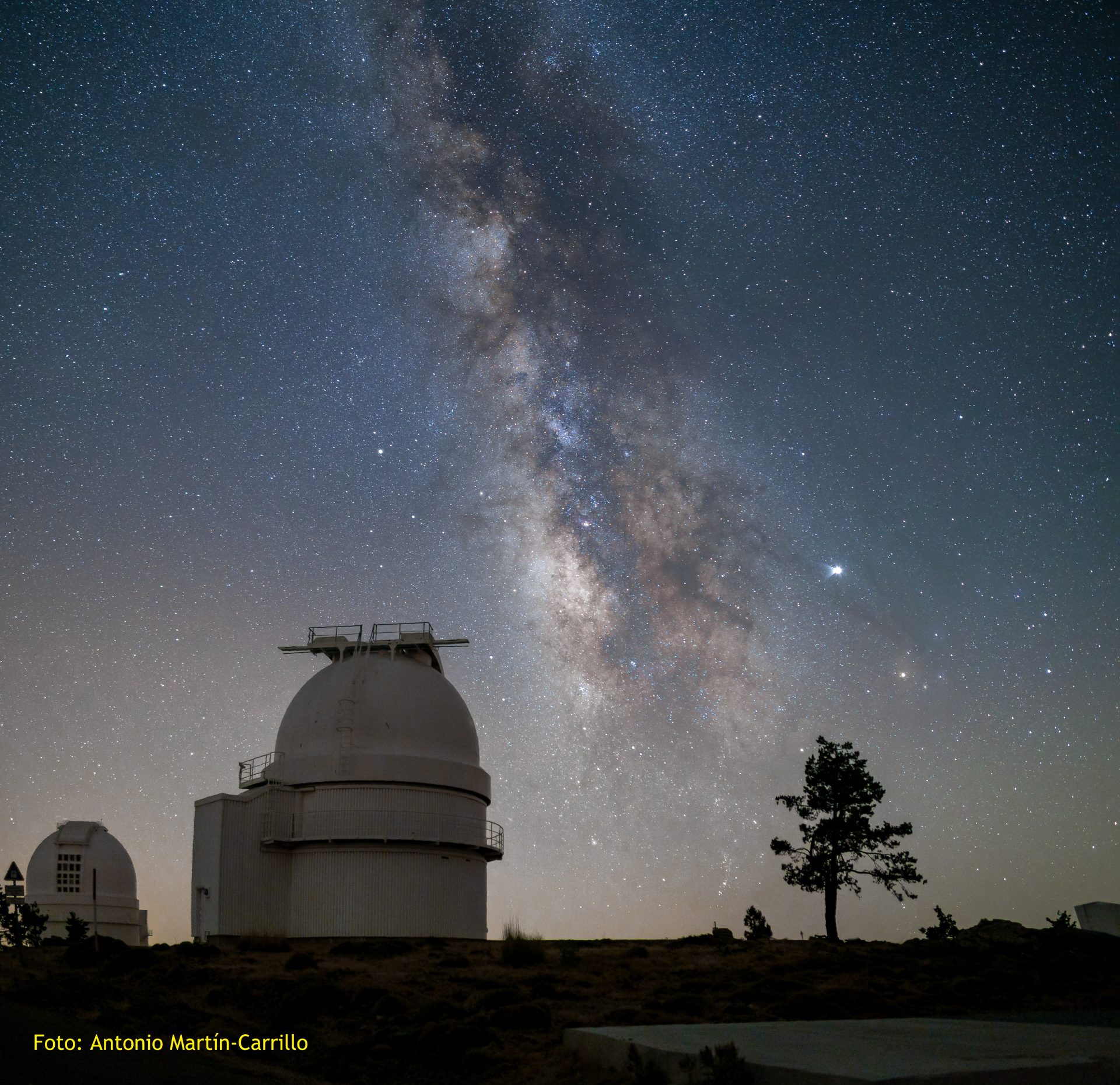
La calidad natural intrínseca del cielo nocturno en Calar Alto hace de este lugar el mejor en Europa continental para la observación astronómica, con alrededor de un 70% del tiempo útil para la observación.
Los estudios desarrollados en el observatorio abarcan desde el entorno más cercano, el Sistema Solar, hasta los confines del universo observable. Dado el carácter interdisciplinar y colaborativo de la astrofísica moderna, muchos de estos proyectos implican observaciones de apoyo para misiones espaciales y, en este ámbito, desde Calar Alto se ha contribuido con datos adicionales a las investigaciones efectuadas con los satélites CoRoT, Herschel, Deep Impact, Gaia, Rosetta o el telescopio espacial James Webb (JWST), entre otros.
Calar Alto es uno de los observatorios más productivos en cuanto a artículos científicos publicados en revistas internacionales con sistema independiente de revisión por pares.
Una parte del tiempo de observación se dedica a proyectos especiales, que se desarrollan a largo plazo y que cuentan con acceso garantizado a los telescopios e instrumentos durante varios años. En este ámbito destacó hasta el año 2010 el sondeo cosmológico ALHAMBRA, orientado al análisis de las propiedades del universo desde el entorno cercano hasta grandes distancias. Posteriormente se completó el sondeo CALIFA, un proyecto de legado que aplicó la técnica de la espectroscopía de campo integral a medio millar de galaxias seleccionadas del universo local, lo que ofrece información inédita sobre la estructura, evolución e historia de la formación de estrellas en estos grandes sistemas estelares, parecidos y a la vez diferentes a nuestra propia Galaxia.
Actualmente están en curso las observaciones para el proyecto de vanguardia CARMENES, centrado en la investigación sobre planetas habitables en el universo. Más de ochenta exoplanetas se han descubierto gracias a este instrumento. Nuevos proyectos de telescopio modular (MARCOT) e instrumentales están en desarrollo y aseguran el futuro del observatorio después de cincuenta años de su historia común con el IAA.
Solicitud de Tiempo de Observación
…
Calar Alto Proposals Submission Tool
—
General Information
Spanish open time at the CAHA 2.2- and 3.5-m telescopes
Applications for observing time at the 2.2- and 3.5-m telescopes
for the Autumn semester 2026 (1st July through 31st December)
As an ICTS (Spanish Unique Scientific and Technical Infrastructure), the Calar Alto observatory offers to astronomers every semester through an open call for proposals, a minimum of 20% of the available observing time on its two main telescopes: the 2.2m and the 3.5m, the largest of its kind in mainland Europe.
The Principal Investigator (PI) of the proposal must be affiliated with a Spanish Institution at the time of submission. Co-investigators (CoIs) from all countries are welcome to participate along with the Spanish PI.
Proposals of PIs from international organizations or based in non-European countries may be granted with observing time if they are considered among the best proposals by their scientific quality. Those proposals should, in particular, justify that they apply for CAHA time because they have no access to a similar instrument at their (inter)national facilities. Typically, up to 5% of the available open time might be granted to non-partners every semester.
Interested PIs are encouraged to read carefully this file which contains all the relevant information to submit a proposal.
April 10th, 2026, 14:00:00 (UT)
Earliest date for submission is March 12th, 2026
Open access protocol and committees for observing time requests
Twice a year, a Call for proposals is done to apply for observing time each semester, Spring (1st January through 30th June) and Autumn (1st July through 31st December). This is usually published about three months in advance at the following link: https://www.caha.es/callforproposals
This site specifies about one month in advance the deadlines for applying. After the dead-line a Time Allocation Committee (TAC, composed of half a dozen of internationally recognized astronomers having wide, complementary expertise) meets to evaluate them in a competitive open access, prioritizing the scientific excellence criteria subject to their technical feasibility.
Taking into account the rates given to the proposals the observatory elaborates the schedule of the corresponding semester and the TAC secretary informs the applicants if their proposals have been approved, or not, and the assigned dates and telescope.
Calar Alto also offers the option to buy observing time at the 3.5-m and 2.2-m telescopes
Interested PIs must email all the details of their proposed scientific case to the CAHA director (director at caha.es). In case that the proposal is approved, a separate operation agreement (MoU) between CAHA A.I.E. and the respective user institution shall be signed. There is no dead-line for pay-per-night proposals, and their approval will be conditioned to scientific quality standards, and availability of observing time.
| Telescope | Guaranteed night | Non guaranteed night |
| 3.5 m | 14.323 € | 9.549 € |
| 2.2 m | 3.642 € | 2.428 € |
For Spanish institutions, and foreign institutions asking for visitor mode observations, 21% VAT taxes will be added to these prices.
1.23m telescope
There is no definite deadline for this telescope, but a scientific proposal must be submitted to the CAHA director (director at caha.es), and it will be internally evaluated all year long with the help of an external TAC if needed. For any use of the 1.23-m telescope, a separate operation agreement between CAHA A.I.E. and the respective user institution will be signed in the case of CAHA non-partners. Since the 1.23-m telescope with its CCD and CMOS cameras can be used remotely, experienced observers are welcome to use it from the distance. Yet, for new users, we strongly recommend that the first run is performed in visitor mode for several nights, to gain sufficient experience at the telescope. Limited support will be available (day and night, on a best effort basis) for remote users, considering that larger CAHA telescopes have a higher priority. CAHA non-partners will pay a fee. Contact CAHA’s director for terms and conditions of use.
The price per night at the 1.23m is 566€. As for the 2.2 m and 3.5 m telescopes, 21% VAT taxes will be added to this price for Spanish institutions, and foreign institutions asking for observations in visitor mode.
Schmidt telescope
The Schmidt telescope (80-cm aperture, 1.2-m mirror) is currently under contract with the European Spatial Agency (ESA), with well-trained observers using it fully remotely, in an automated way, with Python scripts. The only instrument mounted is a 151 Mpix, sensitive CMOS camera (Moravian C5S-150 incl. GPS, offering a field of view of 77’x67′), funded by ESA under “Work Package 2: Observations with Opportunity Telescope”, to perform free band, wide-field imaging.
CAHA-BASED PUBLICATIONS MUST CONTAIN A FOOTNOTE AS FOLLOWS:
«Based on observations collected at Centro Astronómico Hispano en Andalucía (CAHA) at Calar Alto, proposal 26A-***-***, operated jointly by Junta de Andalucía and Consejo Superior de Investigaciones Científicas (IAA-CSIC).»
Alternatively, a similar phrasing appearing in the paper acknowledgements is acceptable, but always specifying the associated CAHA proposal reference. Failure to do so may result in penalties being applied by the CAHA TAC for future proposal submissions to any telescope in Calar Alto from the same PI and CoI(s).
Jesus Aceituno Castro
CAHA Director
Telescopios e instrumentos
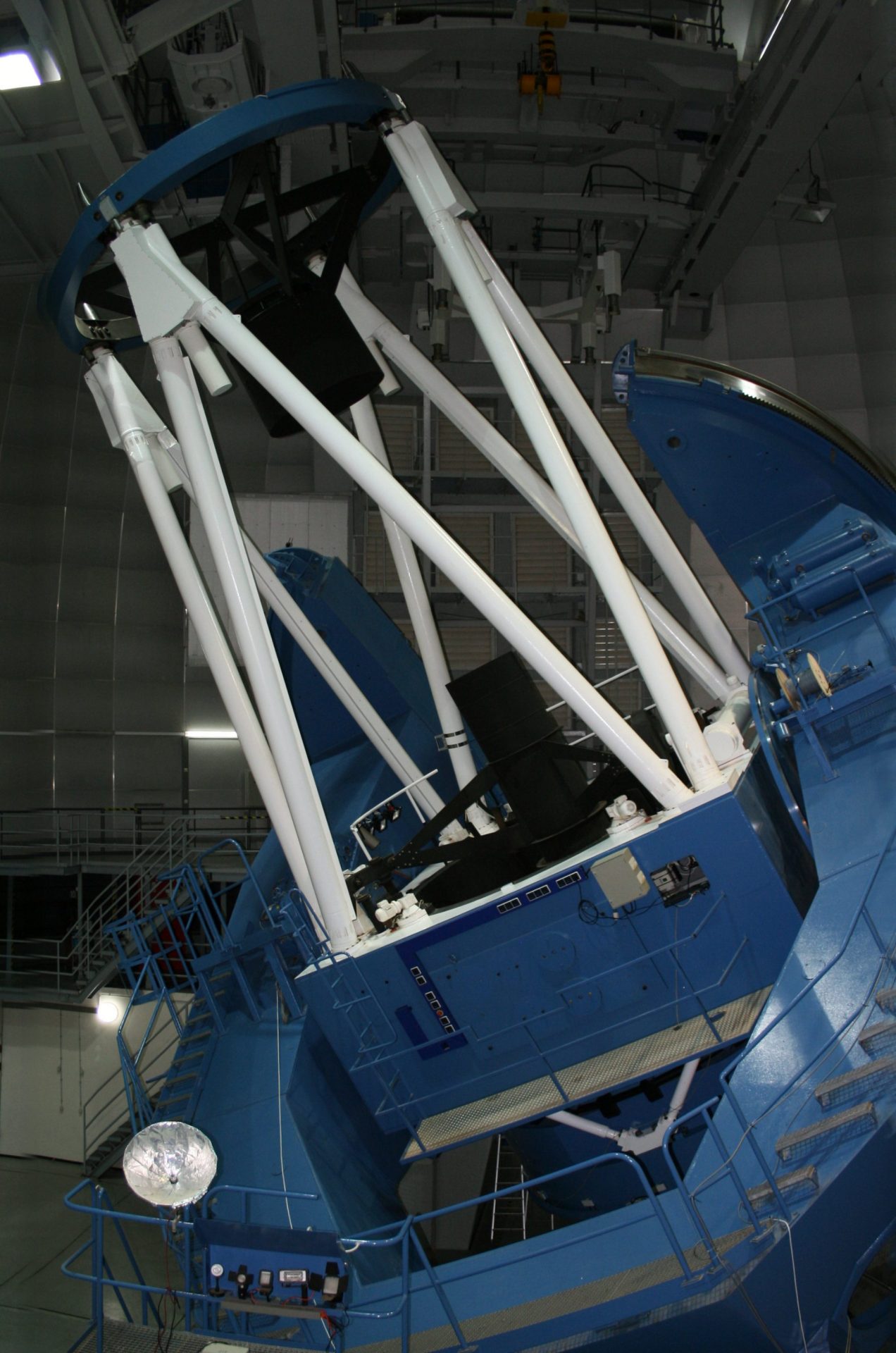
Telescopio 3.5 m
| Unit | Prime-System (2 lens) | Prime-System (3 lens) | RC-System | IR-System | |
|---|---|---|---|---|---|
| Aperture | mm | 3,500 | |||
| Focal Length | mm | 12,195 | 13,761 | 35,000 | 157,500 |
| Central Obscuration | mm ø | 820 | 1,367 | 281.66 | |
| Effective Collecting Area | m² | 9.093 | 8.153 | 8.969* | |
| f/ratio | 1/3.48 | 1/3.93 | 1/10.0 | 1/45 | |
| FOV | mm | 100 | 243 | 300 | 109 |
| arcmin | 28.19 | 60.71 | 29.47 | 2.38 | |
| Scale | «/mm | 16.9 | 15.0 | 5.89 | 1.31 |
| Radius of Field Curvature | mm | Infinite | -3,786 | ||
| Hourangle Range | h | -7 to +7 | |||
Instrumentos
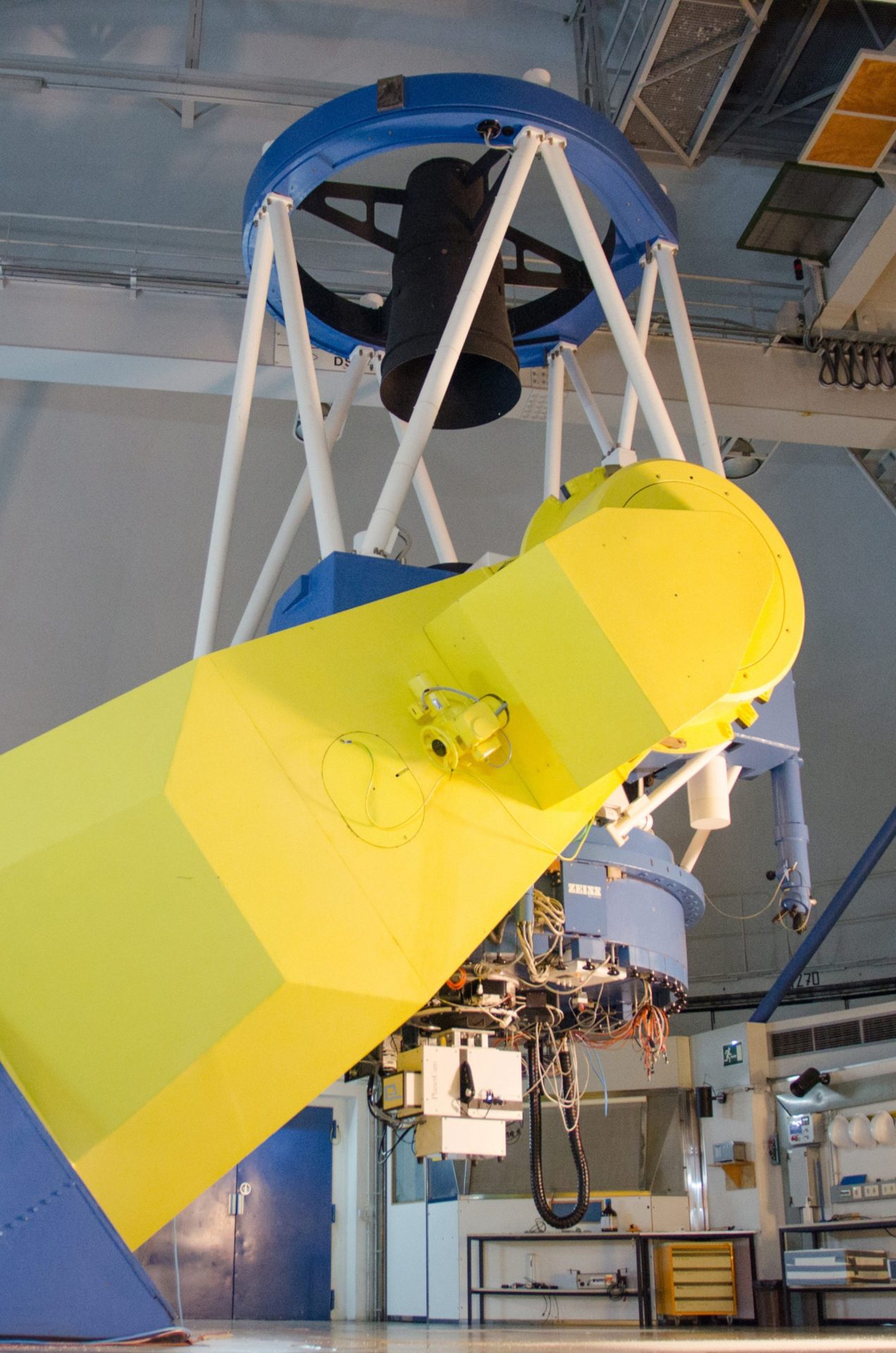
Telescopio 2.2 m
| Unit | RC Focus (With Corrector) | RC Focus (Without Corrector) | Coudé Focus | |
|---|---|---|---|---|
| Aperture | mm | 2200 | ||
| Focal Length | mm | 17,037 | 17,611 | 88,000 |
| Central Obscuration | mm ø | 1046 | 887 | 656 |
| Effective Collecting Area | m² | 2.942 | 3.183 | 3.463 |
| f/ratio | 1/7.744 | 1/8.005 | 1/40 | |
| Back Focal Distance | mm | 1216 | 1216.5 | 14,100 |
| Focal Range | mm | 240 | 240 | 5,000 |
| FOV | arcmin | 67 | 33 | 5 |
| mm | 332 | 170 | 128 | |
| Scale | «/mm | 12.1 | 11.7 | 2.34 |
| Radius of Field Curvature | mm | Infinite | -2228 | |
| Hourangle Range | h:min | -16:40 to +16:40 | ||
Instrumentos
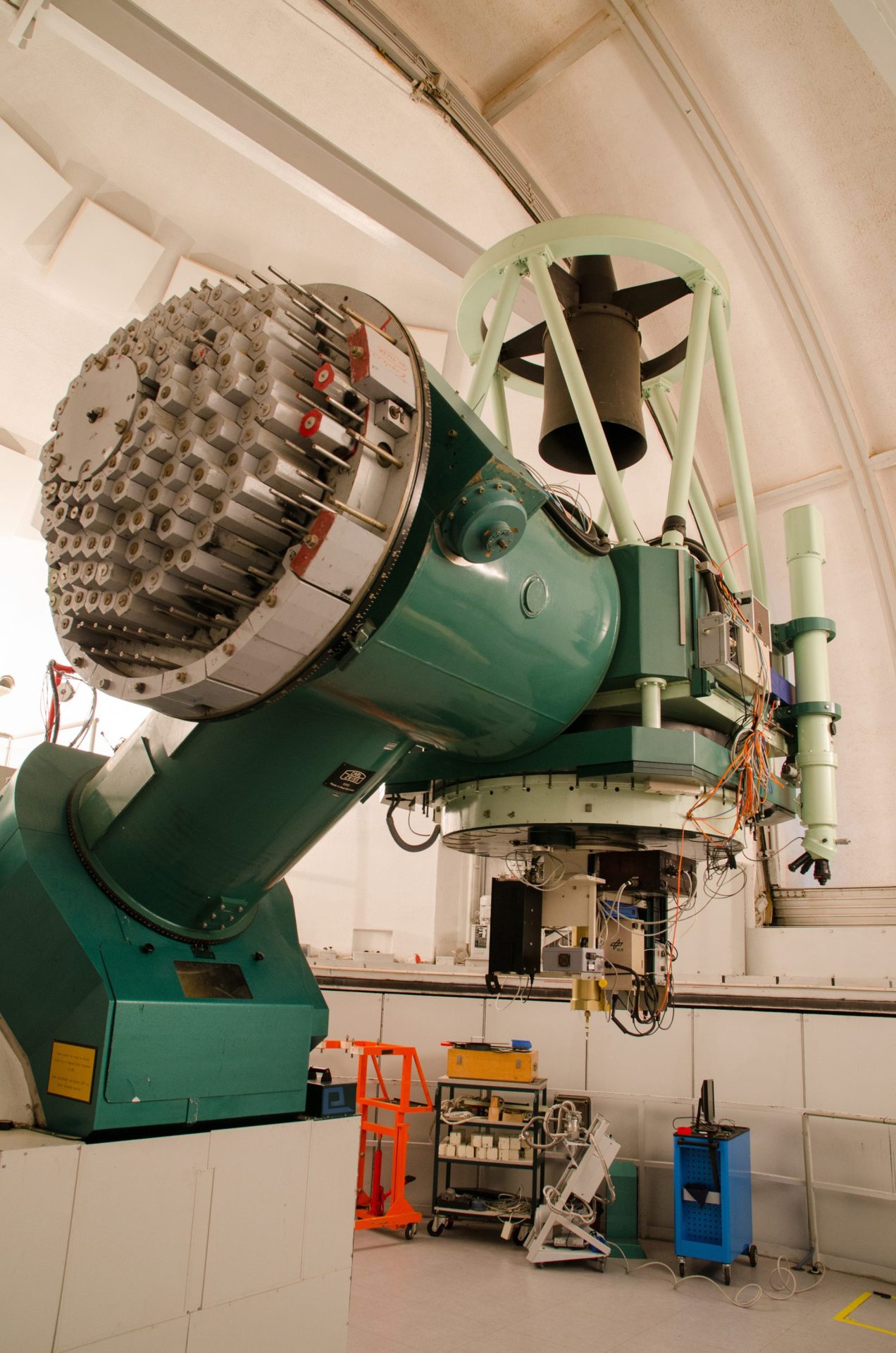
Telescopio 1.23 m
| Unit | With Corrector | Without Corrector | |
|---|---|---|---|
| Aperture | mm | 1230 | |
| Focal Length | mm | 9807.6 | 9857.1 |
| Central Obscuration | mm ø | 582 | |
| Effective Collecting Area | m² | 0.922 | |
| f/ratio | 1/8 | ||
| Back Focal Distance | mm | 852.1 | 849.9 |
| Focal Range | mm | ± 200 | |
| FOV | arcmin | 90.2 | 90.0 |
| mm | 257.2 | 258.1 | |
| Aberration Free | arcmin | 15 | |
| mm | 43.0 | ||
| Scale | «/mm | 20.9 | |
| Hourangle Range | h:min | -15:06 to +14:50 | |
| Lens 1 | Lens 2 | |
|---|---|---|
| Diameter | 290 mm | 280 mm |
| Aperture | 276 mm | 258 mm |
| Shape | Convex concave, spherical | Biconcave, spherical |
| Center Thickness | 25.1 mm | 24.4 mm |
| Surface | Antireflective coating on both sides, reflection minimum at 550 nm | Antireflective coating on both sides, reflection minimum at 550 nm |
| Material | Quartz Glass | Quartz Glass |
Instrumentos
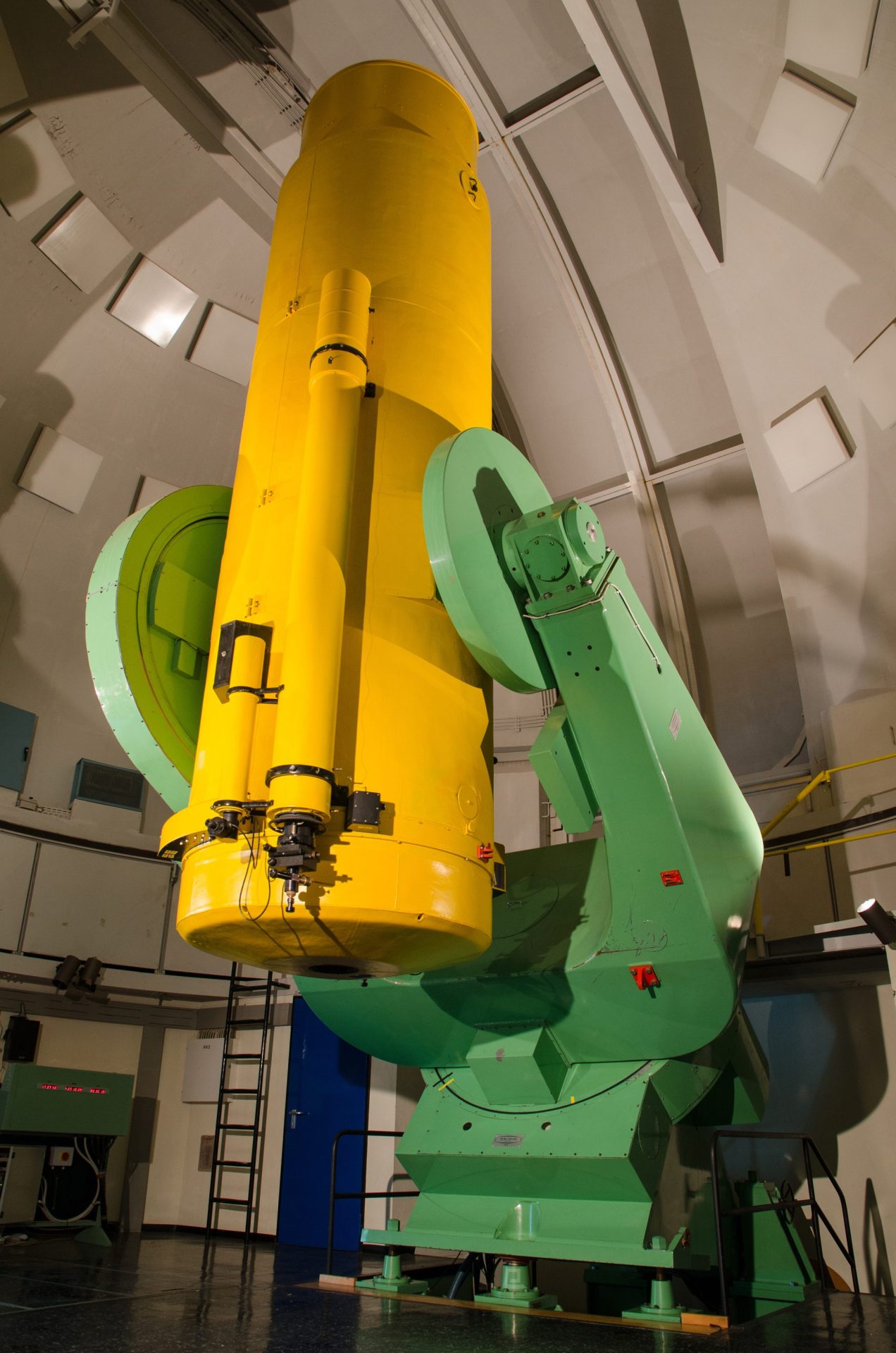
Telescopio Schmidt
| Unit | Value | |
|---|---|---|
| Aperture | mm | 800 |
| Focal Length | mm | 2400 |
| f/ratio | 1/3 | |
| FOV (nominal) | ° | 8 |
| mm | 335 | |
| Plate Format | inch | 8 x 10 |
| Scale nominal | «/mm | 86.2 |
Two objective prisms with 590 and 1390 Å/mm at 430 nm
Instrumentos
Proyectos







Meteorología
Descubre los datos metereológicos desde la estación de Calar Alto

Cámaras CAHA
Acceso a Calar Alto en directo

Bólidos
Echa un vistazo a los increíbles meteoritos y bólidos captados

Galería de CAHA